

Previous Policy Achievements
Every one of these laws started with Fosters naming what needed to change. Here is what our Village has won together, starting with what happened in the 2026 session.
2026 Session Recap: What We Won and What Comes Next
We went into the 2026 session with one of the most ambitious agendas we have ever carried, and our Village showed up in a big way. Fosters now have priority access to before- and after-school programs, and the Fostering Independence Grant received new funding to keep college within reach.

Passed: Priority Access to Before- and After-School Programs
Our before- and after-school programming bill (HF3714/SF4879) was included, as amended, in the final conference committee report for SF4612. It gives children in foster care priority access to school district before- and after-school programs in Minnesota when there is an opening.
That means young people in foster care cannot be placed at the back of the line for the programs, support, and relationships that help them grow. It is practical, it is meaningful, and it happened because our Village showed up.
Thank you to Representative Clardy, Senator Hoffman, and every testifier who saw this bill through. A special thank you to Yanni, Zoua, and Osahon for their leadership and relationship-building.
Read the final bill language: Conference Committee Report on SF4612, Lines 142.20 to 142.28
Funded: Fostering Independence Grant
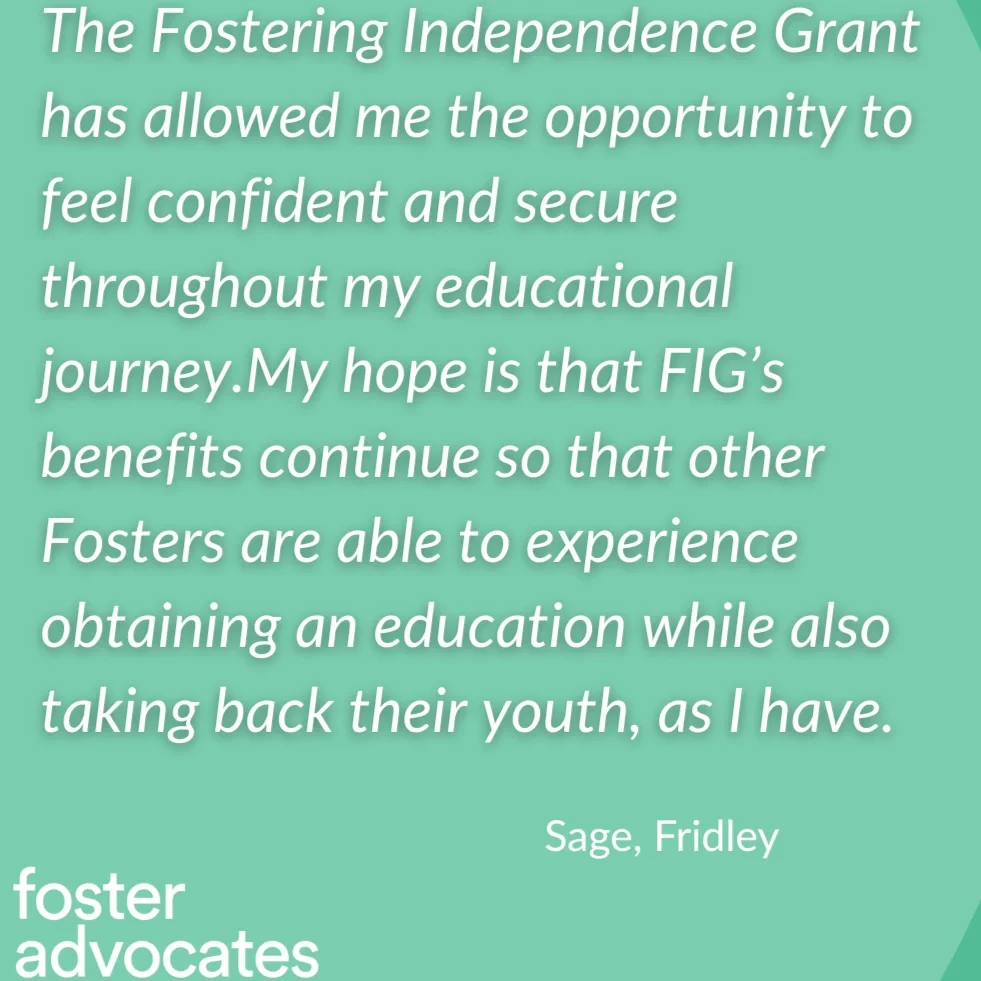
The Fostering Independence Grant covers the full cost of attendance for eligible Minnesota Fosters under age 27. Since it was created in 2021, more Fosters have used it every year, and demand has outgrown the budget.
This session, Senator Rarick and Representative Rarick led the effort to keep the program going. $570,000 was appropriated for the 2026 summer term, and an additional $1.5 million was appropriated from the general fund for fiscal year 2027. Fosters who were counting on this support can keep counting on it.
Read the funding language: Conference Committee Report on HF4252, Lines 46.16 to 46.25
Did the Fostering Independence Grant change your path? We are collecting short stories from Fosters who have used the grant. Your story helps protect this support for every Foster who comes after you. Email advocacy@fosteradvocates.org to share yours.
2025: Increased FIG Funding
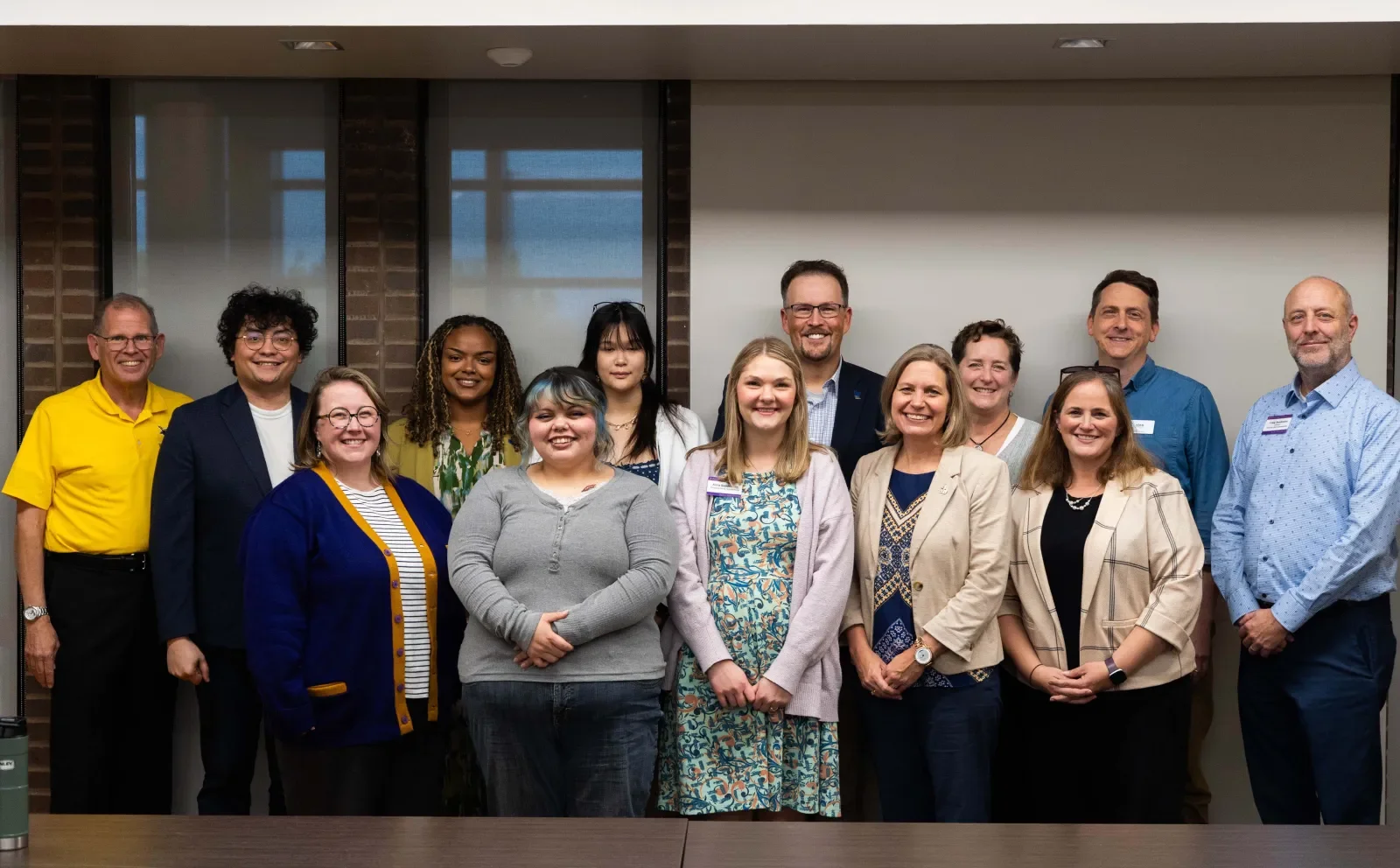
FIG was fully funded in the Higher Education Policy & Finance Omnibus Bill for future years, which was voted through in the special session in June. This ensures that the ~700 students currently utilizing FIG every year will be able to continue their higher education journeys.
The final step has been crossed and the ink is dry:
FIG is fully funded for future years!

2024: FIG $5 million Budget Shortfall and Survivor Benefits Notification
After successfully passing Fostering Higher Education nearly two years ago-granting full cost of attendance to eligible Fosters, the Fostering Independence Grants (FIG) was impacted by a significant budget shortfall. To put it simply - there was not enough money to meet the demand. Thanks to the swift and intentional mobilization of our Foster leaders, community partners, and legislative champions, the gap in funding for the Fostering Independence Grants was met!
Continuing our work on Survivor Benefits, in 2024 a notification bill was passed requiring county agencies who apply to be a payee for a child’s SSI, retirement and/or survivor benefits to provide written notice and keep accounting records for benefits receieved starting July 1, 2024.

2023: Foster Success Expansion
We secured a one-time appropriation of $1 million over 2-years to fill a gap in our state. This will allow us to provide the necessary education support and critical wraparound services such as housing supports, job and workforce readiness and other needs unique to Fosters to alleviate barriers to obtaining their education. Our team is excited and energized to get this in motion and begin scaffolding our Foster Success program statewide.

2022: Ombuds for Fosters and Maya’s Law
In 2022 we led passage of two laws and advanced a third bill!
Stay tuned for updates about the implementation of the Ombuds Office for Fosters and our ongoing push for Survivor Benefits for Fosters.


2021: Fostering Higher Education Act
Our priority goal at the Minnesota Legislature for 2021 was ensuring Fosters have access to the same opportunities non-fostered young people get when turning 18.
One significant way to create an equitable starting line was through the Fostering Higher Education Act — which passed June 2021!
Starting Fall 2022, Fosters will have the chance to go to college by braiding existing federal and state-based aid programs and providing a last-dollar-in scholarship for eligible Fosters that covers the full cost of attendance so that they can attend any accredited Minnesota college or university.
Legal Representation for Parents
This law creates a pilot that will ensure parents who cannot afford an attorney are provided one for child protection matters.
This is important for children’s safety for two important reasons:
1) Parents have a constitutional right to parent their children.
2) Without an attorney present, we risk unnecessarily separating families, distressing familial bonds, and traumatizing children.
2021 Partner-led efforts we supported
Reforms to Foster Care Licensing
This law changes many of the permanent barriers that relatives faced when seeking to serve as foster parents. Many of these rules were unrelated to child safety and needed to be updated to increase equity and improve children’s safety. The new changes are now more in line with national standards and the state’s adoption guidance.
Reporting on Early Childhood Education for Fosters 0-5
A law that requires the Department of Human Services to report on the participation rates of children in “out of home” care in early childhood education and care programs. It is also required that foster parents be notified of available ECE services.

2020: Keeping Fosters in School Act
Our first law! This Act reduces K-12 education disruption for Fosters through data accountability and established limits to the number of days a Foster can be disenrolled.